
Financial markets move incredibly fast. Monitoring and tracking several assets simultaneously is incredibly difficult. Manual observation ruins execution timing. Managing a massive portfolio demands proper technological tools, specifically multi-asset trading software.
This guide explains the core features and immediate benefits of centralized platforms. Upgrading to these tools fundamentally changes how any investor handles their capital. We break down the exact advantages and disadvantages below and how to choose the right multi-asset trading software.
What is Multi-Asset Trading Software?
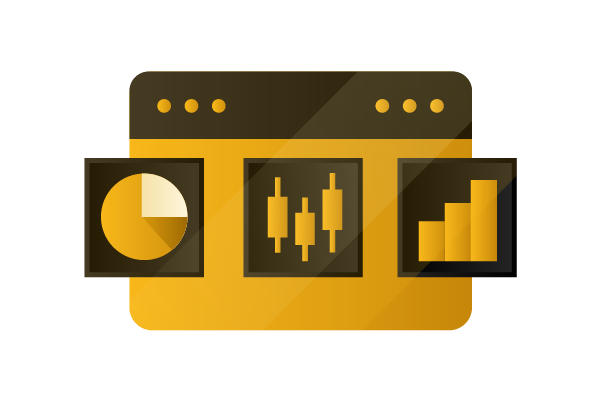
Multi-asset trading software is a main control board for all your investments. You stop jumping between different apps for stocks, crypto, and gold. This tech dumps every live market price onto a single screen. Companies use these platforms to drop extra software costs, monitor live prices, and execute trades without wasting a second.
Direct system links across different financial markets allow precise cash allocation and risk control. Desk managers use this broad access to run simple diversification models and complete orders without platform delays. Combining these tasks into one main platform consistently improves trading efficiency in all market conditions.
Also Read: What is a Global Trading Platform? Mastering the Tools to Trade Beyond Borders
Comparison of Single-Asset and Multi-Asset Trading Software
Comparing single-asset and multi-asset trading software will show several differences. The differences will be outlined as in the table below.
| Feature / Dimension | Single-Asset Trading Software | Multi-Asset Trading Software |
| Market Coverage | Restricted to one market class | Broad coverage across Equities, Bonds, Forex, Commodities, & Crypto |
| User Interface | Dedicated interface tailored specifically for one asset type | Centralized dashboard managing cross-asset positions simultaneously |
| Portfolio Diversification | Requires switching between multiple platforms and logins | Frictionless cross-asset capital allocation within a single platform |
| Margin & Collateral | Asset-locked margin pools | Unified cross-margining (using profits from one asset to back another) |
| System Complexity | Lower learning curve, highly specialized features for one asset | Higher initial complexity due to broad market features and data feeds |
| Operational Overhead | High management effort across disparate accounts & reports | Consolidated reporting, tax exports, and real-time portfolio analytics |
How Multi-Asset Trading Software Enhances Your Trading Experience?
Integrating this software into daily operations improves overall execution speed. Combining global access with advanced technical tools creates a strong foundation. Investors manage complex market conditions with exact precision.
1. Accessibility and Convenience
Operating through a unified terminal drastically alters daily portfolio management. Juggling separate broker credentials ends immediately. Centralizing market access removes the friction of bouncing between isolated applications. This direct structure reclaims hours of administrative waste. You focus strictly on execution.
Physical location no longer dictates market participation. The infrastructure translates exactly from heavy desktop configurations to standard mobile hardware. Professionals retain absolute control over capital from any global coordinate. That constant linkage matters. Financial volatility rarely waits for you to reach a desk. Maintaining full structural access off-site means you capture sudden price action and liquidate exposed positions the exact second conditions shift.
2. Enhanced Research and Analysis
Solid market moves demand hard data. Relying on scattered information costs you an edge. Unified software consolidates your entire research desk into one workspace. You pull raw price charts, live news, and economic calendars directly from a single hub.
This direct access drives smarter capital allocation. You spot market shifts early. You track global events before they hit your open portfolio. The platform supports strict technical chart readers and macro fundamental analysts equally. Every tool required to validate a trading thesis sits exactly where you need it.
3. Flexibility for Various Trading Styles
Execution parameters vary wildly across holding periods. Static infrastructure fails to accommodate this reality. Unified platforms resolve the discrepancy immediately. They offer dynamic toolsets strictly dictated by the operator’s temporal strategy.
Intraday operations require zero-latency feeds. The architecture provides unfiltered data streaming. Multi-day strategies rely on structural risk controls instead. The system deploys conditional triggers to manage unmonitored exposure. Macro allocators face a different challenge entirely. They require broad portfolio oversight. The interface allows direct tracking of capital drift and executes bulk rebalancing orders cleanly. Form follows function perfectly.
Also Read: Derivatives Trading Software: Everything You Need to Know
4. Integration with Third-Party Tools
No single platform does absolutely everything perfectly. The best software acknowledges this reality. It allows direct integration with outside specialized tools. You construct a custom workspace built exactly for your daily mandate.
The operational edge is massive. Connect your own algorithmic models. Snap in third-party charting software. Combining these external applications with your main dashboard creates a strictly tailored environment. You execute exactly how your specific strategy demands.
5. Enhanced Order Execution
Slow execution costs you real money. This platform removes that drag entirely. It features instantaneous one-click entry. It utilizes smart routing to sweep multiple global exchanges for the absolute best price.
The fill happens immediately. Active operators demand this exact capability. It ensures raw speed and total accuracy when navigating volatile market conditions.
6. Core Performance Metrics
Effective capital management requires accurate tracking. The software monitors total portfolio health automatically. Traders review historical gains. They map structural risk profiles and current asset spreads.
This immediate feedback loop remains essential. It drives logical rebalancing decisions and fine-tunes long-term investment strategy.
What Factors to Evaluate When Choosing the Right Multi-Asset Trading Software?
 Choosing the right multi-asset trading software requires some key criteria to enable the platform to be the right one. Some examples of those factors include:
- Asset Depth and Direct Exchange Connectivity
- Order Execution Speed and System Latency
- Regulatory Compliance and Capital Protection
- Transparent Fee Structure
- Customizability and Modular Workspace Layouts
- API Interoperability and Automated Trading
- Customer Support Reliability
- Cross-Margin Capabilities and Capital Efficiency
- Platform Uptime and Historical Infrastructure Stability
- Mobile Synchronization and On-the-Go Control
Filtering systems through these technical criteria ensures the platform fits your desk’s specific order flow and risk ceiling. You have to demand hardened infrastructure, pure execution speed, and transparent commission tiers.
Without them, cross-market books suffer bad fills. Skipping this due diligence leads straight to platform freezes; systematic vetting keeps your firm’s capital moving efficiently through turbulent global liquidity.
Advantages of Multi-Asset Trading Software
Multi-asset trading software facilitates the traders processing the trades only on one app. It makes the trades more effective and saves time by not switching to another software. There are more advantages that you should know. The following explanation will explain more about that.
- Diversification Simplified: Dividing the investments among the various assets will help the traders to reduce the risk and gain more yields. Multi-asset trading software provides access to many types of financial assets, ensuring it helps traders to create a certain portfolio based on their financial goals.
- Real-Time Data and Analysis: Real-time data is a key when traders want to profit in the current financial market. This up-to-date data is provided by multi-asset trading software plus the analysis tools. Those tools help the investors to watch the market conditions and help to make the trading decisions.
- Built-in Risk Management: Risk management is another paramount feature in the daily operation of traders in the financial markets. Multi-asset trading software has the built-in risk management that can help traders to make transactions in the market.
- Advanced Order Mechanics: Special tools like trailing stops and bracket setups act as a safety net for the assets. Traders can set the exact profit goals and maximum loss limits ahead of time. The app does the rest, protecting the account balance automatically.
- Comprehensive Analytical Tools: Access to technical charting indicators, market volume depth, economic calendars, and real-time financial news within a single software platform equips investors to run thorough technical and fundamental analyses before opening positions.
- Cross-Device Accessibility: Modern cloud-enabled trading software connects seamlessly across desktop computers, tablets, and mobile devices, allowing investors to track market developments, manage exposure, and execute orders anytime and anywhere.
Combining these functions reduces account exposure and improves trade handling. Active operators and long-term managers get a solid foundation for quick, structured decision-making.
Disadvantages of Multi-Asset Trading Software
Other than bringing only benefit, multi-asset trading software also carries some risks and challenges you should watch:
- Increased System Complexity and Steep Learning Curve: Multi-asset platforms create a steep learning curve. The interface dumps heavy data feeds, custom layouts, and varied order types onto one screen. Novice traders get stuck fast. Single-asset software provides a much simpler entry point.
- Jack-of-All-Trades Limitation: Serving multiple asset classes inherently limits technical depth. Unified platforms prioritize broad access. Specialized instruments suffer. Advanced options modeling or specific crypto execution paths are frequently omitted. Dedicated single-asset systems deliver these precise capabilities natively.
- Single Point of Failure: Relying on unified infrastructure creates immense structural fragility. A single server failure isolates the entire portfolio. Software errors or network disruptions immediately strip away market liquidity. Operators lose all ability to manage active allocations during these downtime events.
- Higher Resource and Hardware Demands: Running every global market at once drains system resources. The live data streams are massive. Investors need serious processing power, high RAM, and flawless internet. Weak hardware guarantees chart lag. That directly costs them more money.
Consolidating your setup gives you incredible market reach. It puts your entire portfolio right in front of you. You just have to balance the good with the bad. The software is tough to learn. It drains your computer’s memory. And keeping all your money on one platform is a major risk if the servers drop.
Also Read: What Is NFT? Explore the World of Non-Fungible Tokens
The Future of Multi-Asset Trading Software
Trading platform engineering has hit a hard turning point. Legacy execution stacks cannot keep pace with changing matching engine dynamics and fragmented books. Several clear architectural shifts are about to re-engineer how active desks balance overnight risk, secure competitive fills, and trade across correlated instruments:
- Artificial Intelligence and Machine Learning Integration
- Blockchain Settlement and Asset Tokenization
- Immersive VR and AR Trading Spaces
- Quantum Computing Power
- Gamified Learning and Financial Literacy
Conclusion
In the current state of the financial market, multi-asset trading software exists as a valuable tool for traders. They can utilize it as a tool to optimize their portfolio management. It also brings many advantages, such as providing real-time data, native risk management, and comprehensive analytical tools. It helps traders to make efficient transactions in the financial markets.
Besides its advantages, there are several risks and challenges that you should look at. Choosing the right multi-asset trading software needs to evaluate some key factors. Traders should look closely at those factors. In the end, the multi-asset trading software becomes an important tool for traders if it utilized correctly.
Frequently Asked Questions
What is multi-asset trading software?
Multi-asset trading software is a unified platform that allows traders to analyze, manage, and execute trades across multiple asset classes—including stocks, forex, commodities, and crypto—from a single interface.
Can beginners use multi-asset trading software?
Yes, many multi-asset platforms offer intuitive user interfaces, educational resources, and demo accounts designed to help beginners navigate complex market data easily.
What asset classes are typically supported?
Most platforms support equities, fixed-income bonds, foreign exchange (forex), commodities (such as gold and oil), derivatives, and digital assets like cryptocurrencies.
How does multi-asset software improve risk management?
It provides centralized risk tracking and automated order controls, such as stop-loss, take-profit, and margin management, across all open positions in various markets simultaneously.
Is multi-asset trading software safe to use?
It is safe provided you choose reputable platforms that utilize robust cybersecurity measures like end-to-end data encryption, two-factor authentication (2FA), and regulatory compliance.
What is cross-margining in multi-asset trading?
Cross-margining allows traders to leverage profits or unused margin from one asset class to cover collateral requirements in another, maximizing capital efficiency.
